
The Standards We Bring With Us
A team’s growth starts with clear expectations. This post outlines the standards I ask players to bring to every practice and game: respect, focus, commitment, intensity, coachability, flexibility, and the willingness to control what they can control.
6/26/20264 min read
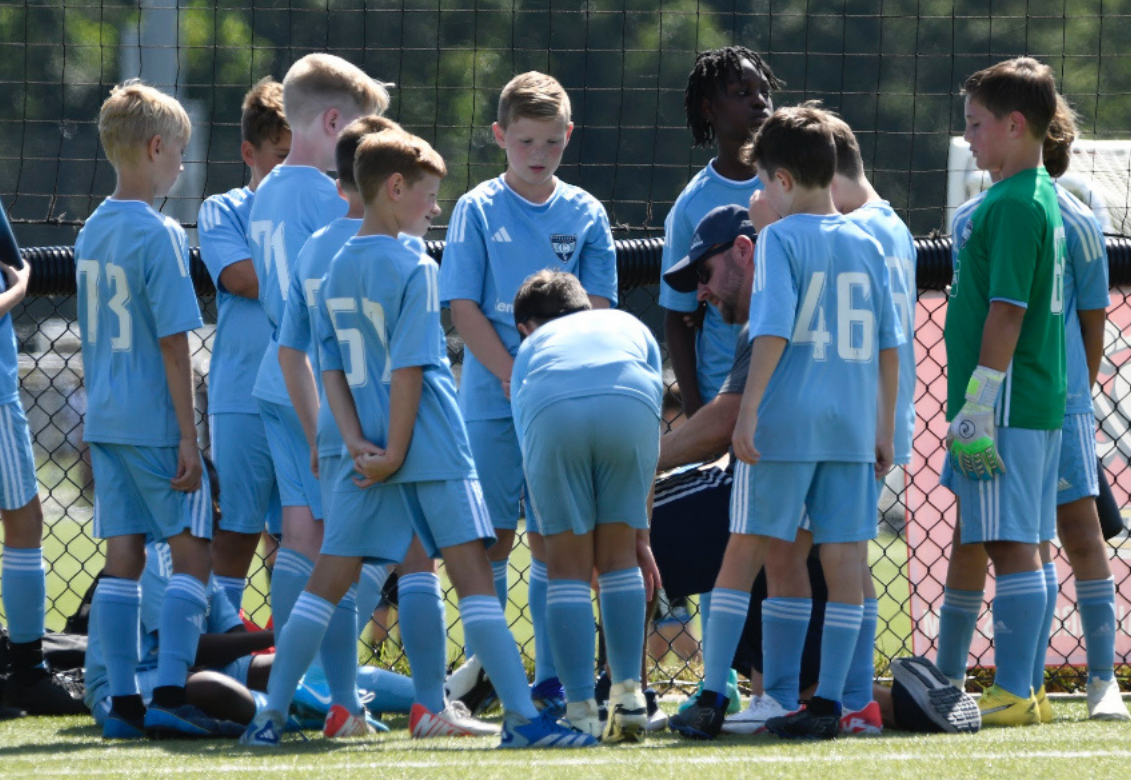
Every team needs standards.
Not because players need a long list of rules, and not because every moment has to be serious. Standards matter because they give the team something to come back to. They help players understand what is expected, how we want to train, how we want to compete, and how we want to treat each other.
The goal of every practice is simple: have fun and get better at soccer. But that does not happen by accident. It happens when players bring the right attitude, effort, focus, and intensity. It happens when players are willing to be coached, willing to communicate, willing to do what the team needs, and willing to control the things they can control.
These are the expectations I want to be clear about from the beginning.
I want to be clear about expectations early because I think players do their best when they know what the standards are.
The goal of every practice is simple: have fun and get better at soccer. That only happens when we bring the right attitude, effort, focus, and intensity.
- Respect -
Respect for coaches and teammates is non-negotiable. I will always treat players with respect, and I expect players to do the same for coaches and for each other.
If something crosses that line, it will be addressed right away.
- Focus -
I love having fun. I like to joke around as much as anyone. But there is a difference between having fun and goofing off. Goofing off takes away from focus. It affects the player doing it, and it affects the players around them. When it is time to laugh and enjoy the moment, we will. But when it is time to lock in, we need to lock in.
With new players, there will be some grace as they get used to my coaching style and the expectations of the team. But if I am telling the same player the same thing over and over, or if the same distractions keep happening, then it becomes a problem.
- Commitment -
The goal is to be at every practice. That is what it takes to improve. There are no shortcuts.
That said, I also understand players have other things going on. Conflicts are going to come up, and that is okay. I have coached players who were also involved in choir, volleyball, basketball, swim, orchestra, theater, baseball, track, and plenty of other things I am probably forgetting. We have always made it work.
The key is communication. My only ask is that I get a heads up.
I know that most of the communication usually comes from parents, and I appreciate that. But you are also getting to the age where you can start taking some responsibility for it too.
That might mean telling me before or after practice, “Hey Coach, I’m not going to be here tomorrow because of XYZ.” Or if you are at home and you know you have a conflict, you can remind your parents, “Make sure you message Coach Adam and let him know I’m not going to be there tomorrow because of ABC.”
That is part of being responsible and part of being a good teammate.
Two of the biggest things that can impact playing time are goofing off at practice and missing practice without letting me know. That is not meant as a threat. It is just the reality of being part of a team.
Commitment matters, and communication matters.
- Intensity -
You cannot just show up and go through the motions and expect to get better. Improvement takes intensity. That does not mean running around out of control. It means training with purpose. It means competing. It means listening, responding, and putting real effort into the details.
You owe that to yourself, and you owe it to your teammates.
- Coachability -
Being coachable is one of the most important qualities a player can have. It does not mean you have to be perfect or that you will never make mistakes. It means you are willing to listen, try, adjust, and keep working.
Every player is going to get corrected. That is part of being coached. If I give you feedback, it means I believe you can do it better and I am trying to help you improve.
Coachability shows up in the little moments: listening when instructions are given, applying feedback, asking good questions, staying positive after mistakes, and being willing to do what the team needs.
Talent matters, but coachability is what helps talent grow.
- Flexibility -
There may be times when you are asked to play a position you do not normally play, both in practice and in games. How you respond matters.
If you are asked to play a different position in practice, take it seriously. That might be the moment that prepares you for a game when the team needs you there. The more comfortable you are in different roles, the more you can help the team when situations change.
I have had players say things like, “I’ll go in at outside back now, but can I play wing later?” or “I’ll play wing now, but can I play striker later?” I get that players have positions they enjoy, but in the middle of a game, that is a tough look. In that moment, I need a team-first response.
I am always willing to discuss playing time or playing in a specific position. But the time for that conversation is before or after practice, not in the middle of a game.
Control what you can control
Being late happens. Many times, it is completely outside of your control.
But once you get to the parking lot, that part is in your control. Are you hustling to get to the field, or are you slowly walking in, taking your time, and casually getting your cleats on? That goes back to focus, intensity, and preparation.
There are a lot of things in soccer you cannot control.
You cannot control the refs.
You cannot control the weather.
You cannot control playing time.
You cannot control other people’s opinions.
But there are five things every athlete can control:
1. Attitude
2. Effort
3. Body language
4. Preparation
5. Response to adversity
Those five things matter. You cannot always control the result, but you can control how you arrive, how you train, how you compete, and how you respond.
Don’t just tell me what kind of player and teammate you want to be. Show me with your actions.
Contact
Questions? Reach out anytime.
Support@AB3Soccer.com
© 2026. All rights reserved.