
The Coach I'm Trying to Be
Before the season begins, I want my players and their parents to understand more than just team expectations. I want them to know the kind of coach I’m trying to be, the environment I’m trying to create, and the standard I’m working to hold myself to every day.
6/26/20267 min read
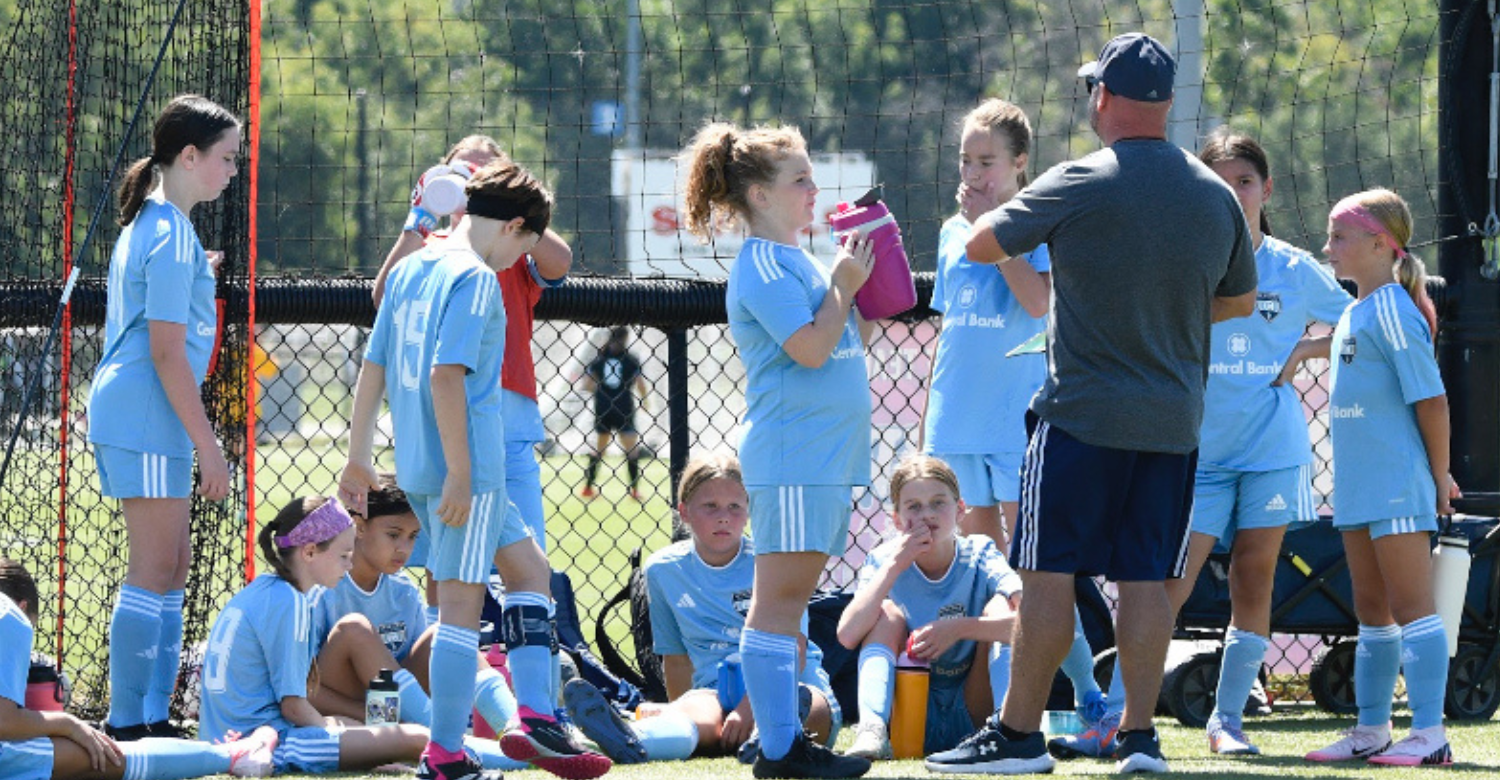
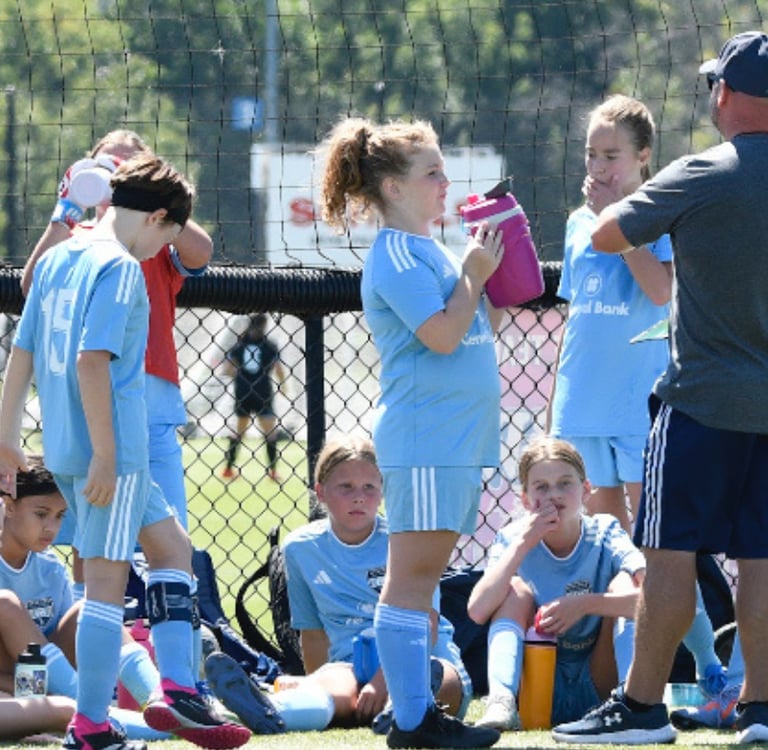
Coaches spend a lot of time talking about expectations.
What we expect from players.
What we expect at practice.
What we expect on game day.
What we expect from parents on the sideline.
And I think that’s important. Expectations matter, and they should be clear early.
But I’ve been thinking a lot lately about the other side of that conversation: what should players and parents expect from me as a coach?
Not just tactically. Not just in terms of practices, games, formations, or playing time. But as a leader, teacher, communicator, and adult in their lives.
When I mailed out summer packets to next season’s players, I included something I wanted every player and parent to have from the beginning.
It’s not a list of promises that I’ll be perfect, because I won’t be. It’s not a promise about how many games we’ll win, how many goals we’ll score, or how smooth every moment of the season will be.
But it is a reflection of the kind of coach I’m trying to be, the environment I’m trying to create, and the standard I want to hold myself to.
A standard built around preparation, honesty, consistency, accountability, and helping players grow — not just as soccer players, but as teammates, competitors, and young people. What do you expect from your kids’ coaches?
- - - -
My players already know how much I like to talk, so hopefully no one is too surprised by all these words. I know it’s a lot — maybe they can count this toward their summer reading?
To My Players & Their Parents,
I really believe sports play a huge role in shaping kids. The game itself matters, but what happens around the game matters even more. It’s how they deal with adversity, how they treat others, how they respond when things are hard, and whether they find the confidence to speak up or stay quiet.
I know the way I coach, the words I choose, and the environment I create can stick with a player long after a practice or game is over. That’s a big responsibility. Because of that, I’m very intentional about the kind of coach I try to show up as every day.
- Understanding Group Dynamics -
I don’t see a team as just a group of individuals wearing the same jersey. It’s a system, and how I lead within that system matters.
I think about how I handle the star player, the one everyone defers to. I also think about how I treat the player doing the unglamorous work, the one who may never score but consistently wins the ball back. I hold myself to being consistent. The standard applies to everyone.
I make it a point to reinforce one thing every day: every role on the pitch matters. Not as a slogan, but as a standard. Goalkeeper, midfielders, defenders, forwards — we’re not a hierarchy. We’re a system.
I’ve seen how easy it is for players to gravitate toward attacking roles. Scoring goals is fun. But I’m intentional about recognizing defending just as much: a well-timed tackle, a recovery run, a smart decision to delay, a strong team shape that prevents a goal, a great save by the keeper. Those moments matter just as much.
- Leadership, Not Just Authority -
I don’t want to just tell players what to do. I want to lead them. For me, leadership is about example. Showing up prepared, working hard, treating people the right way, and setting a standard without always having to say it.
I try to be intentional about setting expectations early. The standards are clear, and some things are non-negotiable: focus and intensity at both games and practices, and respect for teammates. The goal is to build an environment where players understand what we stand for without constant correction.
If I’m constantly having to rely on authority, I know I’ve missed the mark.
- The Ability To Teach -
Wanting to teach isn’t the same as being able to teach. That’s something I remind myself of often.
If something isn’t clicking for a player, I don’t move past it. I come back to it, and if needed, I find a different way to explain it. That adjustment is on me. Repetition isn’t a setback. It’s part of how players learn.
I also recognize that players take in information differently. Some can process a lot at once, others need things broken down. It’s my responsibility to meet them where they are. There’s more than one way to get to the same outcome. My job is to help each player find the way that works for them.
- Analytical Thinking -
When I review game film, I’m not just watching it back. I’m studying it. What are we doing well? Where are we improving? Where are we getting stuck?
I like to measure things so progress is real, not just a feeling. But more than anything, I want players competing against themselves. Can you be better than you were last practice or game? Can you make a better decision, execute something cleaner, recognize something quicker?
That’s the standard I care about: not perfection, and not improvement every single week, but steady growth over time.
- A Plan, And The Discipline To Follow It -
I like going into a season with a plan and direction.
What are we actually trying to build? What does improvement look like for this group? What are we moving toward each week?
When things don’t go our way, I try not to overreact. I go back to the plan. I’ll adjust when needed, but I want those adjustments to have a purpose behind them, not just be a reaction to one tough game or one frustrating result.
I also have to remind myself that development isn’t a straight line. That’s easy to lose sight of when games are being played and the results are right there in front of me. I still struggle with that. I can definitely be cranky after a tough loss. Thankfully, I have an incredible wife who reminds me that growth doesn’t always show up on the scoreboard - the steady yin to my chaotic yang.
- Practice “Freeze” -
I see the game as connected, not a series of isolated moments. What does this decision lead to? How does where you are on the field change what’s available next? I want players thinking ahead, not just focused on the ball in front of them.
When a mistake happens in practice and I “freeze” the moment, it’s not about blame. It’s about understanding. I want players to see the game, not just play it. I’ll ask questions, replay the situation, and walk through it with them. The goal is for them to read the game, not just react to it.
One of my favorite coaches, Jürgen Klopp, was once asked what youth coaches should do better in the development process. The interviewer was clearly looking for an answer like “more time on working on technique” or “more time teaching tactics,” etc. But his answer was, “Getting players to believe in themselves. Any coach can teach dribbling or how to strike a ball. But can you correct a player while also making that player believe they can get better? Can you help them feel like they are improving, even while you’re pointing out what still needs work?”
That really sticks with me.
There are definitely times when I can focus a little too much on what needs to be improved. But I’m a firm believer that you have to celebrate improvement as it’s happening. Players need correction, but they also need positive reinforcement. They need to know that their work is showing up, that they are getting better, and that people notice.
- Empathy -
Every player is different, and each one experiences the game a little differently.
I try to be mindful that the same feedback can land completely differently depending on the player. I celebrate success with real excitement, and when things don’t go well, I try to sit with players in that moment instead of rushing to fix it.
I think back to one of my early U10 boys games at Sporting City a few years back. One of our players was in goal for the first time. It didn’t go well. After the game, he was fighting back tears. I told him I was proud of him for stepping up for the team. He worked hard & he did his best (he is still a goalkeeper at Sporting City, by the way).
Empathy isn’t softness. It’s awareness. It’s recognizing that what looks small from the outside can feel big to the player in that moment.
- Fun -
I also try to remember that this is all supposed to be fun.
That doesn’t mean everything is easy or that we avoid hard work. It doesn’t mean losses don’t matter or that players shouldn’t care. But even in the worst losses, I try to find some kind of silver lining — something we learned, something we improved, something we can build from, or even just a reminder that we still get to do this together.
Because if the experience stops being fun, eventually none of the rest of this really matters. Players can love the game, but if the environment takes the joy out of it, they’ll eventually leave the game. I never want that. I want players to compete, be pushed, be held accountable, and still walk away feeling like soccer is something they love and it’s fun.
- Humility -
I am not perfect. And I don’t pretend to be. I will make mistakes. I will misread situations. I will say things I wish I could take back. When that happens, I try to own it. Sometimes one-on-one, sometimes in front of the team.
Because when I say, “I got that wrong,” I’m teaching something bigger than the game. I’m teaching accountability, reflection, and honesty.
And I mean this sincerely: if you (player or parent) ever feel like I’m not living up to any of this, I want you to let me know. That doesn’t mean I’ll always get everything right, and it doesn’t mean every decision will be easy. But I never want players or parents to feel like they can’t have an honest conversation with me.
That’s what you can expect from me.
Not perfection. But honest, thoughtful, and always growing.
Contact
Questions? Reach out anytime.
Support@AB3Soccer.com
© 2026. All rights reserved.